Why Can't I Stay Consistent on My Own?
Quick Answer
Consistency is an environment, not a character trait. In a meta-analysis of 148 studies and more than 308,000 people, those with stronger social ties showed a 50 percent higher likelihood of survival. Being held by a structure and a group changes your physiology, not only your motivation.
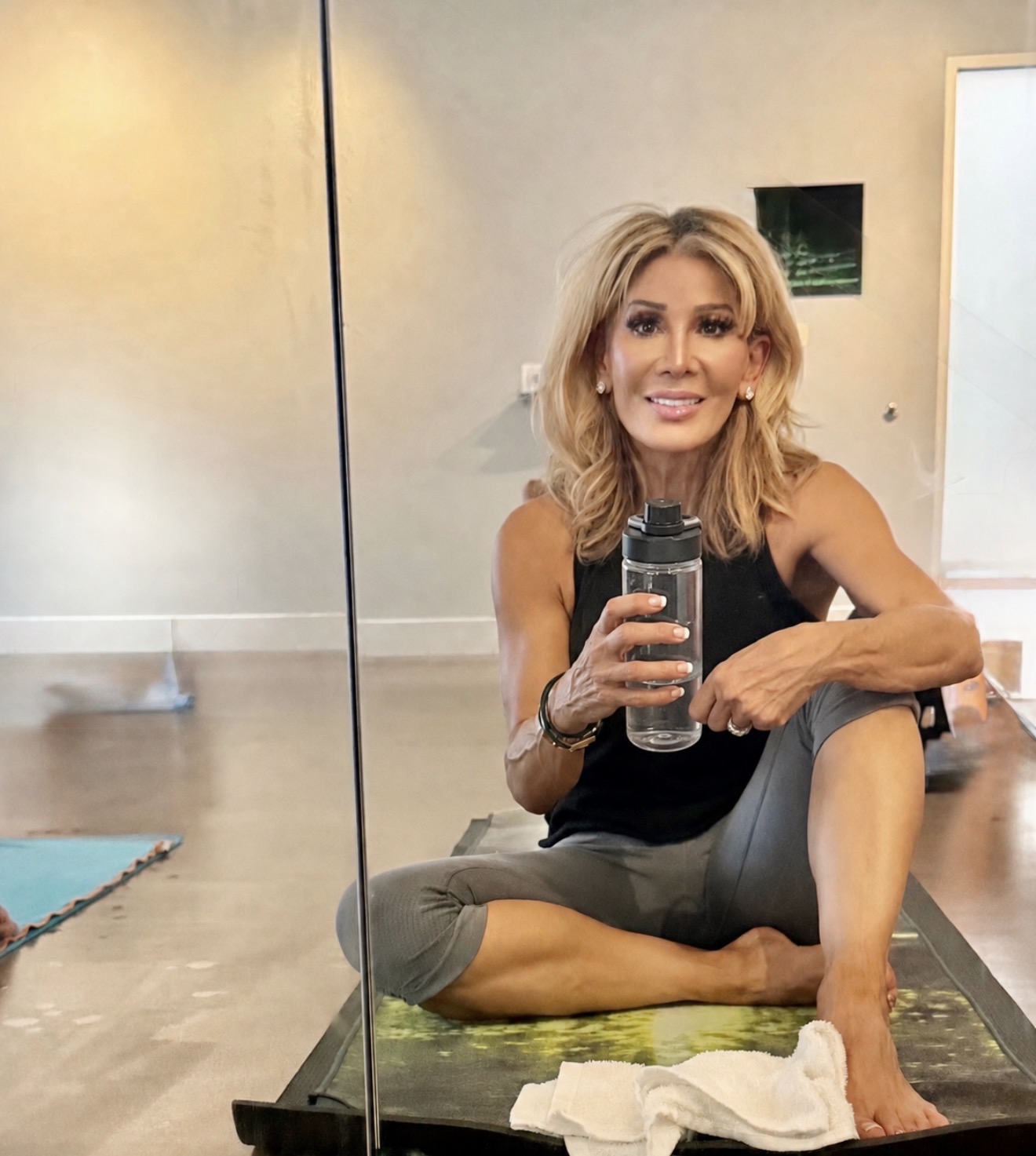
Not long ago I emailed the owner of my yoga studio to cancel my membership. I do this every time work gets busy. I have an unlimited membership, and the nights I do not show up start to feel like a debt I am carrying around, so canceling feels like the honest thing to do.
She wrote back and said no. We have a deal. Come back and be a regular again.
That was the entire intervention. She noticed me. I was on my mat the next night, and I have rarely been so glad I went.
The thing women apologize for
Almost every woman who has ever sat across from me has said some version of the same sentence.
"I do great when someone is watching. The second I'm on my own, I fall apart."
She says it like a confession. She has usually decided it means something unflattering about her character.
It does not. It means she has correctly identified the single most powerful variable in long-term health, and she has been trying to succeed without it.
What the research actually found
The science on social connection is some of the most consistent in all of health research, and almost nobody talks about it in a fitness context.
In 2010, Julianne Holt-Lunstad and her colleagues published a meta-analysis in PLoS Medicine pooling 148 studies and 308,849 people, followed for an average of seven and a half years. People with stronger social relationships had a 50 percent higher likelihood of survival across that window. The researchers noted the size of that effect is comparable to quitting smoking, and larger than the effects observed for obesity and physical inactivity.
She followed it in 2015 with a second meta-analysis in Perspectives on Psychological Science, pooling 70 studies and more than three million people. Social isolation was associated with a 29 percent increased risk of mortality, loneliness with 26 percent, and living alone with 32 percent.
Honest framing, because you deserve it: these are observational studies. They show association, not proof of cause, and healthier people may find it easier to stay connected in the first place. Yet the direction has held across decades, across countries, and across research groups, which is about as strong as observational evidence gets.
Why connection shows up in your bloodwork
Here is the mechanism, in plain words.
Your body decides how much alarm to run based partly on whether it thinks you are alone. Perceived support is associated with a smaller cortisol response to the same stressor and with lower levels of inflammatory markers like IL-6 and CRP. Chronic loneliness runs the opposite pattern.
So connection is not the soft part of the plan sitting next to the real part. It is upstream of the cortisol conversation, upstream of the glucose conversation, upstream of the sleep conversation. The evidence on the precise pathways is still developing, and the direction is clear enough to act on now.
The part that surprises women
Most women assume the gap is capability. That at 58 or 64 the body simply does not answer the way it used to, so the effort stops feeling worth it.
The research says otherwise. A 2026 systematic review and meta-analysis in the Journal of Science and Medicine in Sport pooled resistance-training studies in women across the lifespan and found meaningful improvements in strength and body composition largely independent of menopausal status. Your muscle never checked your birth certificate.
Which means the missing piece was never your capability. It was the environment around the capability.
The reframe
You don't need more willpower. You need a room that expects you.
Willpower is a daily withdrawal from an account you also need for your work, your family, and your patience. Structure is a deposit. Muscle-span and healthspan are built by what repeats, and what repeats is whatever the people around you make normal.
What to hold this week
- Name one person and give them a specific job. Not "hold me accountable." Something like "text me Tuesday and Friday and ask what I lifted." The research on accountability is unromantic: vague support does very little, specific expectation does a great deal.
- Put one session a week on a calendar with another human in it. One. A walk with a friend, a class where the instructor knows your face, a standing Saturday morning. The single hardest week to train alone is the week you are already depleted, which is exactly when a room carries you.
- Say the quiet sentence out loud to somebody. "I have been trying to do this by myself." Naming it is what ends the private failing-grade story, and the story is doing more damage than the missed workouts ever did.
I am not behind. I am unheld, and that is a fixable thing. I choose structure over strain, people over proving, rhythm over rescue. Today I let one person know what I am working on.
Frequently asked questions
Does having support actually change results, or is that motivation talk?
It changes results. Meta-analyses covering hundreds of studies and millions of people consistently link stronger social ties to better survival and better health outcomes, with effect sizes comparable to well-known risk factors. Support also raises adherence, and adherence is what produces every result you have ever wanted.
What does "being held" actually look like week to week?
Concretely: someone who knows what you are working on, a repeating time you do not renegotiate, and a place where progress gets noticed. That is the whole architecture. It works whether it comes from a friend, a trainer, or a group, and it stops working the moment it becomes vague.
I am an introvert. Do I have to do things in groups?
No. The research is about connection, not extroversion. One person who knows your specifics does more than a room of strangers. Choose the smallest structure you will actually keep.
With love, Kim
Kim Fisher is a science-and-soul strength and hormone coach for women in midlife. More at thekimfisher.com.
The Next Cohort
The Ageless Reset
Cohort 2 of The Ageless Reset opens later this month, and the waitlist hears everything first, including early access before anything goes public. Six weeks of transformation, then a full year of coaching and community, because the year is where being held actually happens.
Join The Ageless Reset Waitlist →Prefer to simply talk? Fifteen minutes with me, no pitch and no script.
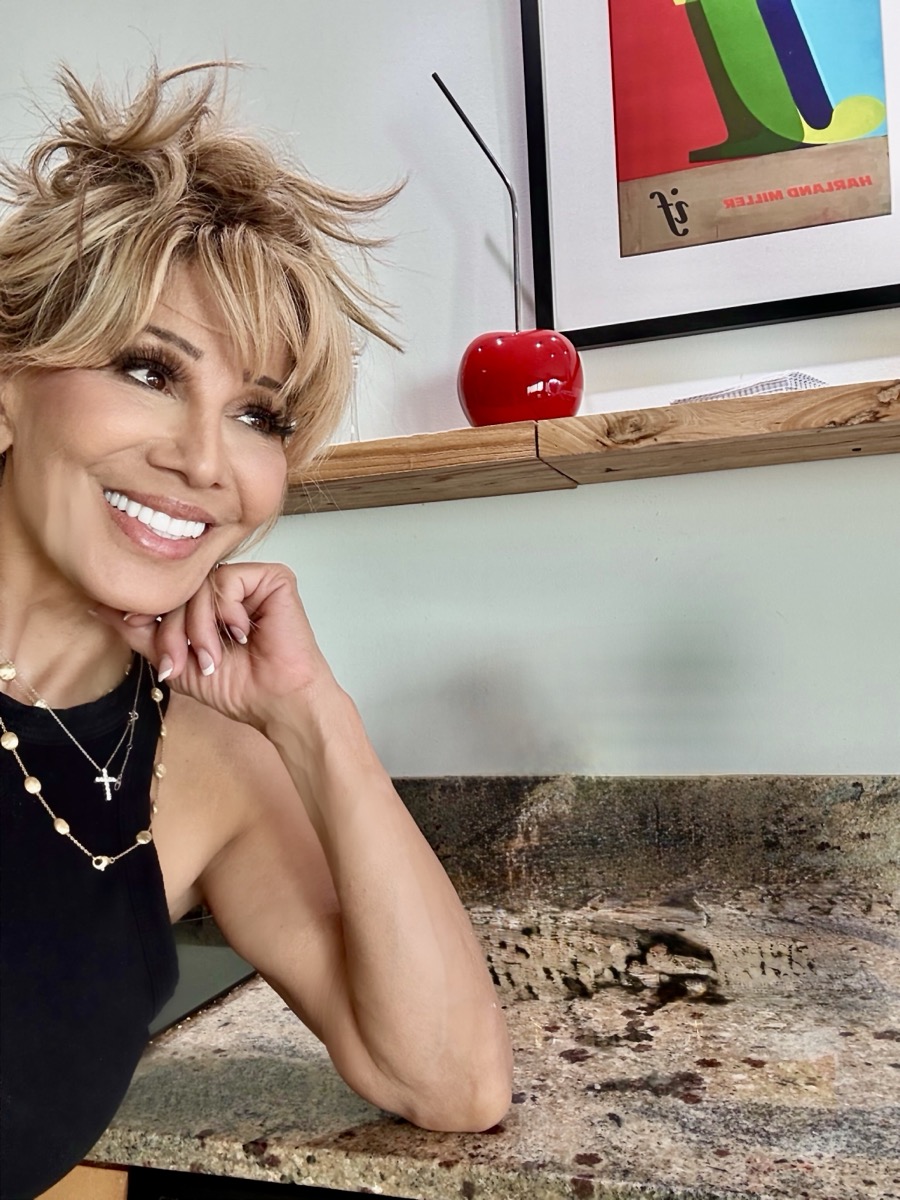
Midlife wellness coach, certified life coach, spiritual counselor, and personal trainer with 44 years of experience. Bestselling author of Morning Mantras That Will Change Your Life. Founder of The Ageless Reset. More about Kim →
Not sure which lever matters most for your body right now?
Take the two-minute Midlife Reset quiz and find out whether strength, protein, sleep, or stress management is the one most worth your attention this season.
Take the quiz →Keep reading
- Why Does Stress Make Me Gain Weight in Midlife?
- Structure Over Willpower: Why September Plans Fail by October
- You're Not Behind. You're Becoming.
More about Kim's science and soul coaching approach or explore the midlife transformation programs.